

"Rat King" & the Validation of our Pain

Updated: Dec 1, 2024
I have always felt the need to be better than my circumstances, this was partly a self-imposed burden, and partly a mission I had set out for myself from the day I was born. Being raised in Sri Lanka, my younger years were exposed to a rural environment that did little to nurture its youth. I was raised under stern force, and I lived most of my life wishing my genetic makeup and childhood were friendlier. Nonetheless, my parents sought a better future for me when they came to Canada. Meanwhile, I sought to fulfill the promise of greatness I had pledged to my grandmother before I left.
My upbringing instilled a sense of urgency in me—a "do or die" mindset, where life was a series of territorial battles one after the other. When I spoke in classrooms I could sense the awkward inflections in my accent turning the blonde heads of the kids around me. My skin felt as if it became a wall that trapped myself from “normality”, stretching itself across my head and through my toes. By eighth grade, my father had bought a house faster than the average Canadian citizen rented their first apartment, he attributed it all to spite. These memories were the saplings to this mantra of “striving”. Reaping what you need from a world that has the ability to throw you overboard, committing wholly to your goals, and being better than your circumstances, proving them all wrong.
I’ve always known I loved storytelling. As a child, it was a form of escapism; as I grew older, it became a form of expression. Once I recorded a video on a phone, it was as though I’d opened the floodgates to a sea of creativity that absorbed me completely. For the first time, I knew what I wanted to do. I wasn’t aimless anymore. I wanted to be a filmmaker. In eleventh grade, my passion began to take shape. A screenplay I wrote for my Film Production Workshop received a standing ovation. For the first time in my life, I felt recognized as someone with a voice. For the first time, I was given the responsibility of leadership. Directing that film, with an entire classroom looking up to me, forced me to open up to others. It taught me to communicate, to stop isolating myself. My first efforts at leadership were bred by a sense of ambition, entitlement and pride for my creative voice that disregarded the people who were putting my words into action, rather than unifying them. These experiences gave me confidence, but it also came with consequences. I lost my best friend, whose patience buckled under the weight of my burgeoning ego. I gained my first relationship, buoyed by my newfound self-assurance. But for the first time, I had fulfilled my desires for purpose.
However, as the film wrapped up, and the applause died down, my relationship ended and my friend was pushed away, and I was left swimming alone in that inherited pool of hate. By twelfth grade, I was directing a documentary about the people that used the Salvation Army’s pantry. This was a volunteer endeavor fueled by the honesty of the marginalized people around me, it was sparked by their love and kindness. For the next eleven months, I was tasked with the challenge of orchestrating student volunteers, teachers, and Salvation Army staff to complete a documentary film that had its own premiere, which was attended by the mayor of Chilliwack, and grasped the attention of the community through news articles, radio and TV interviews. I was building off the leadership opportunities I was given in the past, except I had begun the path of channeling those skills into something positive and uplifting.
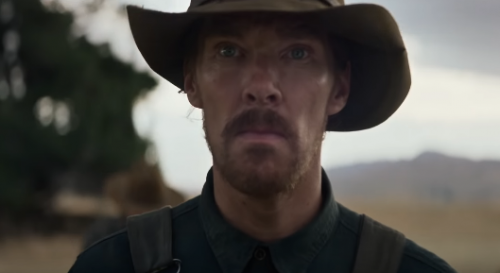
While directing the documentary about the Salvation Army, my class unanimously agreed for my second screenplay, “Rat King” to be manifested into a film with me slated to direct again. Reflecting back on my past missteps, I devoted myself to creating truly beautiful art and dedicated myself fully to the process of equal creative collaboration. Within that process, I found a shared connection with other humans all working towards the seemingly insurmountable challenge of delivering on a vision. Through conscious leadership, I found the preciousness of creative equality and the necessity of equal collaboration and understanding. I found undeniable love for every person I was so grateful to have worked with during this period of my life.
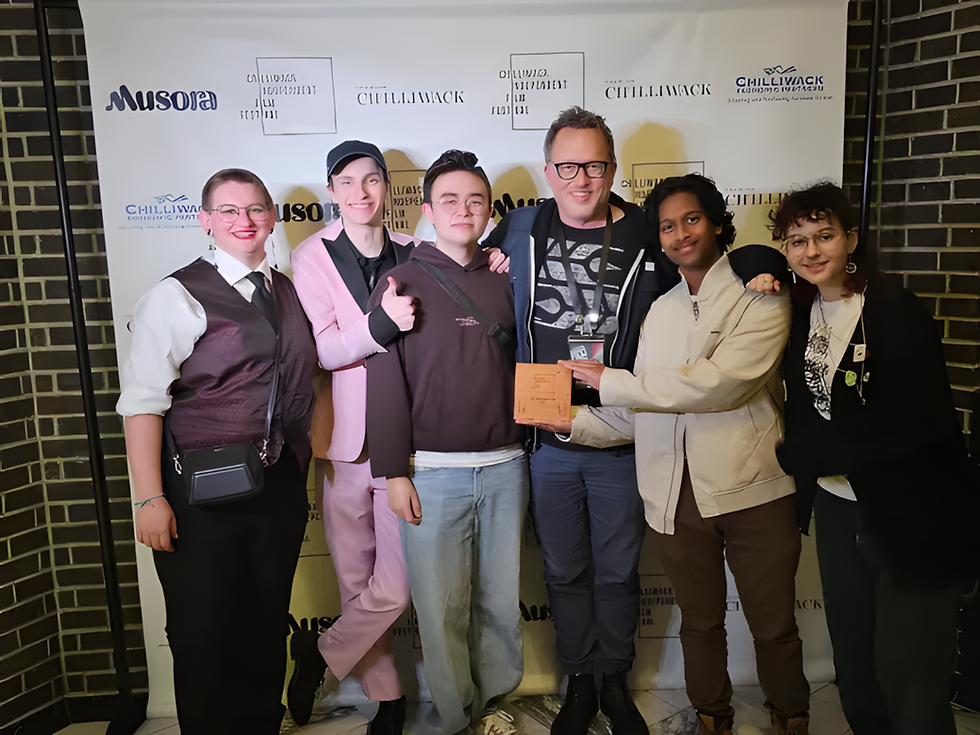
Several months passed, I was in a healthier relationship and had rekindled my friendship with my best friend. The film was finished and had been accepted into Chilliwack Independent Film Festival. Not only had it been accepted, it was nominated for “Best Fraser Valley Film”. All my hard work felt as if it had led up to this moment. However, as I was watching the other nominations on the big screen, I felt the joy of the filmmakers behind them; I felt their happiness. And as I collapsed inside a locked bathroom before the award ceremony, with my shortness of breath and sweaty palms. I thought to myself,
“My film would never win “Best Fraser Valley Film”, it’s sad and depressing. It’s a disgusting representation of how sad and depressing I am. All the other nominees are filled with beauty and joy, and I’m broken, and I can’t be happy, and I’ll always be striving, always be striving for the next best thing, I always need to win, succeed, and that’s pathetic and unhappy.”
I felt with all my vulnerable honesty, there wasn’t a place for that darkness. I carried these feelings with me as the winner was being read out, and they burst into fireworks when she screamed out:
“Rat King!”
The spite that I felt carried my hard work to where I am today had been shunned by something else—love, love and recognition for my misshapen form. I was carried on the backbones of people who dedicated a piece of themselves to my story. I have been carried on the backbones of beautiful old ladies who raised me up from Sri Lanka, a country that I selfishly detached from myself, to place me where I am today. The essence of a good leader does not reject their work's potential for growth when shared with another equally complex human being. Despite many years of believing my challenging upbringing and spite for my circumstances fueled my leadership, it was in fact, love that helped me up onto my two feet.
I want to be better than my circumstances, but I will fulfill all my promises, and most of all, I will find my way home.
Thank you,
Ayush


Comments